


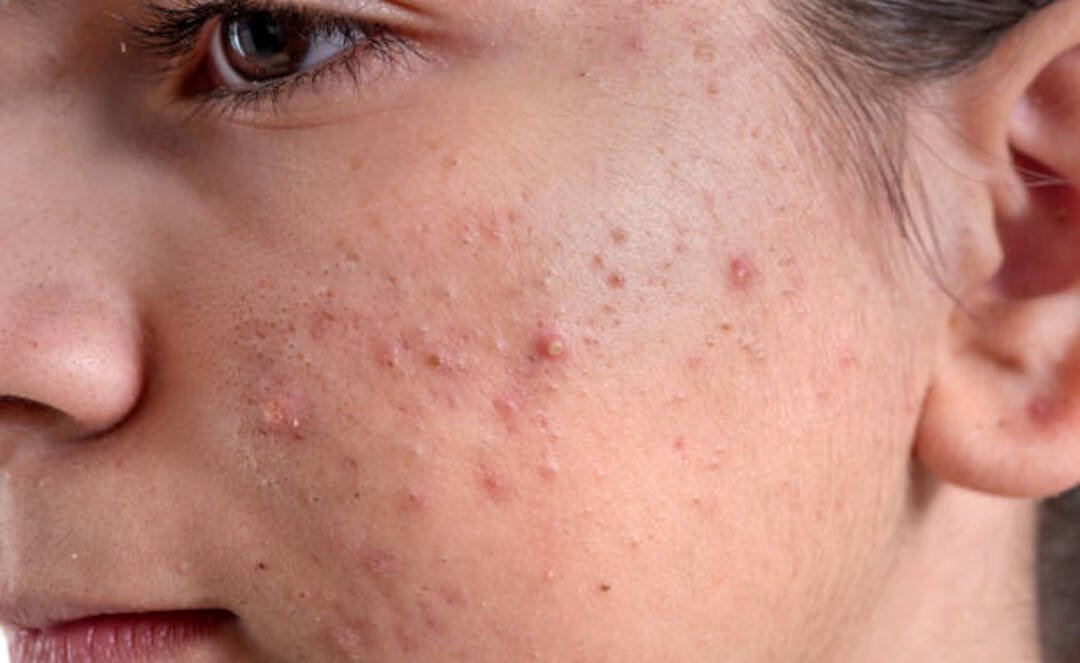
Acne scars can be one of the most stubborn reminders of past breakouts. While they fade slowly over time, some marks and pigmentation linger for months—or even years. If you’ve been searching for a natural remedy that truly works, rosehip oil might be your skin’s new best friend. Packed with vitamins, antioxidants, and essential fatty acids, rosehip oil is a proven ingredient for fading acne scars and restoring healthy, glowing skin.
Let’s explore the science, benefits, and the right way to use rosehip oil for visible, lasting results.
Understanding Acne Scars
What Causes Acne Scars?
Acne scars form when the skin’s natural healing process is disrupted after inflammation from acne lesions. When a pimple damages the tissue beneath the skin, your body produces collagen to repair it. Too little collagen can cause depressed scars (like ice-pick or boxcar scars), while too much can lead to raised scars.
Beyond texture, acne often leaves post-inflammatory hyperpigmentation (PIH)—dark spots that appear after pimples heal. These marks are not true scars but can be just as frustrating to fade.
Why Acne Scars Are Difficult to Fade Naturally
Unlike temporary redness, acne scars affect the deeper layers of the skin. Because collagen turnover slows with age, it takes longer for skin to repair itself. Without targeted care—especially ingredients that promote regeneration and even skin tone—these marks may remain visible for years.
That’s where rosehip oil shines.
What Is Rosehip Oil?
Origins and Extraction
Rosehip oil is extracted from the seeds of wild rose bushes, primarily Rosa canina and Rosa rubiginosa, which grow in Chile and other parts of South America. Unlike rose oil, which comes from petals, rosehip oil is derived from the fruit and seeds—where the real nutrients reside.
The best-quality oils are cold-pressed, preserving the active compounds that make it effective for skin repair and scar fading.
Key Nutrients in Rosehip Oil
Rosehip oil is often referred to as “nature’s retinol” because it contains:
- Vitamin A (Retinoic Acid): Encourages skin cell turnover and collagen production.
- Vitamin C: Brightens skin tone and reduces pigmentation.
- Vitamin E: Protects against free radical damage and supports healing.
- Essential Fatty Acids (Omega-3 & Omega-6): Repair the skin barrier and retain moisture.
- Antioxidants: Shield skin from environmental damage.
Together, these nutrients make rosehip oil a potent multitasker for scar repair and overall skin health.
How Rosehip Oil Helps Fade Acne Scars
1. Promotes Skin Regeneration
Rosehip oil’s vitamin A content helps boost cell renewal, which gradually replaces damaged cells with new, healthy ones. Over time, this process softens scar texture and improves smoothness.
2. Reduces Hyperpigmentation
Dark spots left behind by acne often result from excess melanin production. Rosehip oil contains both vitamin C and natural antioxidants, which help fade pigmentation and even out skin tone, revealing a more radiant complexion.
3. Moisturizes and Strengthens the Skin Barrier
A damaged skin barrier slows healing and can make scars appear worse. The fatty acids in rosehip oil deeply hydrate and protect the skin, helping it stay soft, supple, and resilient.
4. Calms Inflammation and Redness
Thanks to its anti-inflammatory properties, rosehip oil can soothe irritation and redness caused by acne or other skin conditions. Regular use helps prevent further breakouts while nurturing healing skin.
How to Use Rosehip Oil for Acne Scars
Step-by-Step Application
- Cleanse Your Face: Use a gentle cleanser to remove dirt and oil.
- Tone (Optional): Apply a hydrating toner to prep the skin.
- Apply Rosehip Oil: Take 2–3 drops of rosehip oil on your fingertips and gently press it into the affected areas.
- Massage Lightly: Circular motions help stimulate circulation and absorption.
- Seal with Moisturizer: If you have dry skin, layer a moisturizer afterward.
Best Time to Apply Rosehip Oil
The ideal time is at night, when your skin naturally repairs itself. Overnight use allows deeper absorption and maximum regeneration.
How Long Before You See Results
Results vary by skin type, but most people notice improvement within 4 to 8 weeks of consistent, twice-daily use. Patience and regularity are key—natural healing takes time but delivers long-lasting results.
Tips to Maximize Results
1. Combine with Other Natural Ingredients
Rosehip oil pairs beautifully with ingredients like Vitamin C serums, niacinamide, and aloe vera, which further enhance brightening and repair. However, avoid layering it with strong actives like retinol or glycolic acid to prevent irritation.
2. Consistency and Sun Protection
Daily use of sunscreen is non-negotiable when treating acne scars. UV rays can darken pigmentation, undoing all your progress. A lightweight SPF 30+ is enough to protect your skin.
3. Use Gentle Products
Avoid harsh exfoliants or alcohol-based toners that can dry out the skin. The gentler your skincare routine, the faster your scars will heal.
Choosing the Right Rosehip Oil
What to Look for in a Quality Rosehip Oil
To get the most benefits, choose:
- Cold-pressed and unrefined oil (retains nutrients)
- Organic certification (no pesticides)
- Dark glass bottle (protects from light oxidation)
- Lightweight texture that absorbs easily
Why Ela De Pure Rosehip Oil Stands Out
If you’re looking for purity and performance, Ela De Pure Rosehip Oil offers exactly that. It’s 100% natural, cold-pressed, and rich in vitamins A, C, and E. The lightweight formula absorbs quickly without leaving a greasy residue, making it perfect for all skin types—including oily or acne-prone skin.
Final Thoughts
Fading acne scars doesn’t always require harsh treatments or expensive procedures. With its blend of vitamins, antioxidants, and essential fatty acids, rosehip oil is a natural yet powerful ally in achieving smoother, clearer, and more radiant skin.
Consistency is the real secret. When used daily and combined with sun protection, rosehip oil can gradually reduce discoloration, soften scars, and bring back your skin’s natural glow.
If you’re ready to begin your healing journey, start by adding a few drops of pure, high-quality rosehip oil, like the one to your nightly skincare routine. Your skin will thank you for it.
Frequently Asked Questions (FAQs)
Can rosehip oil remove acne scars completely?
While it may not erase scars overnight, regular use can significantly fade discoloration and improve skin texture.
Is rosehip oil suitable for oily or acne-prone skin?
Yes. It’s lightweight, non-comedogenic, and helps balance sebum production.
How often should I use rosehip oil for scars?
Use it once or twice daily, ideally after cleansing and before moisturizing.
Can I use rosehip oil with retinol or Vitamin C?
You can pair it with Vitamin C, but avoid layering it with retinol in the same routine.
Does rosehip oil help with old acne scars?
Yes, consistent use can gradually soften the appearance of older scars and even out pigmentation.


