


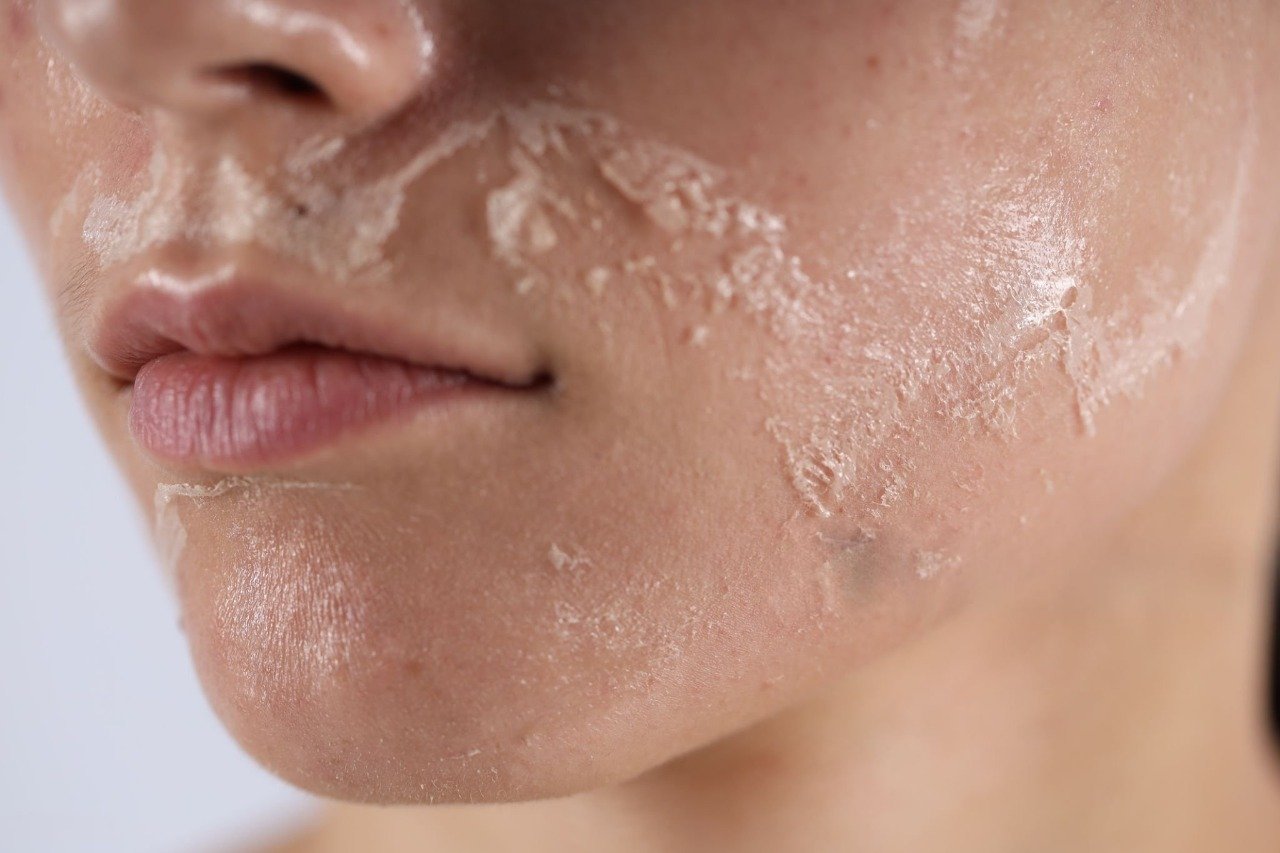
Exfoliation is one of the most powerful steps in a skincare routine. It helps remove dead skin cells, unclog pores, improve texture, and enhance product absorption. But when done too frequently or aggressively, it can cause serious skin barrier damage. Over-exfoliation is more common than many people realize — especially with the rise of chemical peels, exfoliating acids, and scrubs.
If your skin suddenly feels tight, irritated, or unusually sensitive, you may be dealing with over-exfoliation. The good news? It’s preventable — and reversible.
What Is Over-Exfoliation?
Over-exfoliation happens when the skin’s protective barrier is stripped faster than it can repair itself. Your skin barrier acts as a shield, locking in moisture and defending against environmental aggressors. When damaged, it becomes vulnerable to irritation, redness, and breakouts.
Both physical exfoliants (scrubs, brushes) and chemical exfoliants (AHAs, BHAs, retinoids) can cause damage if overused.
Signs You’re Over-Exfoliating
Recognizing the early warning signs can prevent long-term skin damage.
1. Persistent Redness and Irritation
If your skin looks flushed or inflamed for days, it may be a sign that your barrier is compromised.
2. Increased Sensitivity
Products that once felt gentle may suddenly sting or burn.
3. Tight, Dry, or Peeling Skin
Instead of glowing, your skin may feel rough and dehydrated.
4. Breakouts and Tiny Bumps
Ironically, too much exfoliation can trigger acne-like breakouts because your skin tries to protect itself.
5. Shiny but Thin-Looking Skin
This “over-polished” look often signals that the outer layer has been stripped excessively.
Why Over-Exfoliation Happens
Understanding the causes helps you prevent future damage.
Using Multiple Active Ingredients
Combining exfoliating acids with retinoids or vitamin C without proper spacing can overwhelm the skin.
Exfoliating Too Frequently
Daily exfoliation is rarely necessary for most skin types.
Not Considering Skin Type
Sensitive and dry skin types require much less exfoliation than oily or acne-prone skin.
Following Trends Instead of Skin Needs
Social media routines often promote aggressive regimens that don’t suit everyone.
How to Prevent Over-Exfoliation Damage
Prevention is about balance. Here’s how to protect your skin barrier while still enjoying the benefits of exfoliation.
1. Know Your Skin Type
Before choosing any exfoliant, understand your skin’s needs:
- Oily or acne-prone skin: 2–3 times per week may be enough.
- Normal or combination skin: 1–2 times weekly.
- Dry or sensitive skin: Once a week or less.
Listening to your skin is more important than following a fixed schedule.
2. Choose the Right Type of Exfoliant
Not all exfoliants are created equal.
Physical Exfoliants
Scrubs and brushes manually remove dead cells but can cause micro-tears if used aggressively.
Chemical Exfoliants
- AHAs (like glycolic acid) target surface texture.
- BHAs (like salicylic acid) penetrate pores.
- Enzymes offer gentler exfoliation.
If you’re new to exfoliation, start with mild formulas and lower concentrations.
3. Avoid Layering Too Many Actives
Using exfoliating acids, retinol, and strong serums in the same routine can lead to barrier breakdown. Alternate active ingredients instead of stacking them.
For example:
- Exfoliate on one night.
- Use retinol on another.
- Focus on hydration in between.
Spacing products allows the skin to recover.
4. Focus on Hydration and Barrier Repair
Hydration is essential to prevent over-exfoliation damage. Incorporate:
- Ceramide-rich moisturizers
- Hyaluronic acid serums
- Soothing ingredients like aloe vera and panthenol
These help rebuild the protective barrier and restore balance.
5. Always Wear Sunscreen
Exfoliated skin is more vulnerable to UV damage. Daily sunscreen is non-negotiable. Without protection, you risk hyperpigmentation and premature aging.
6. Start Slow and Patch Test
When introducing a new exfoliant:
- Use it once weekly.
- Patch test before applying to your entire face.
- Gradually increase frequency only if your skin tolerates it.
Slow progression reduces irritation risk.
What to Do If You’ve Over-Exfoliated
If damage has already occurred, stop exfoliating immediately.
Step 1: Simplify Your Routine
Use only a gentle cleanser, moisturizer, and sunscreen.
Step 2: Avoid Active Ingredients
Pause retinoids, acids, and vitamin C until your skin feels normal again.
Step 3: Repair and Soothe
Look for calming ingredients like:
- Centella asiatica
- Oat extract
- Niacinamide (low concentration)
Step 4: Be Patient
Skin barrier recovery can take 2–4 weeks, depending on severity.
How Often Should You Really Exfoliate?
There is no universal rule. The ideal frequency depends on:
- Climate
- Age
- Skin type
- Current routine
In general, less is more. Healthy skin doesn’t need daily resurfacing. Over-exfoliation often happens because people chase instant glow rather than long-term skin health.
Building a Balanced Exfoliation Routine
Here’s a simple framework:
Morning Routine
- Gentle cleanser
- Hydrating serum
- Moisturizer
- Sunscreen
Evening Routine (Exfoliation Night)
- Cleanser
- Mild exfoliant
- Barrier-repair moisturizer
Evening Routine (Recovery Night)
- Cleanser
- Hydrating serum
- Nourishing moisturizer
This rotation helps maintain skin renewal without compromising the barrier.
The Long-Term Approach to Healthy Skin
Exfoliation should support your skin — not stress it. Glowing skin comes from consistency, hydration, sun protection, and a well-maintained barrier. Overdoing it may provide temporary smoothness but leads to inflammation and sensitivity over time.
By understanding your skin type, choosing appropriate products, and respecting recovery time, you can prevent over-exfoliation damage and maintain resilient, healthy skin year-round.
Final Thoughts
Skincare is not about intensity — it’s about balance. Exfoliation is beneficial when done correctly, but your skin barrier should always be the priority. If you ever feel unsure, reduce frequency rather than increase it. Healthy skin thrives on gentle care and patience.


