


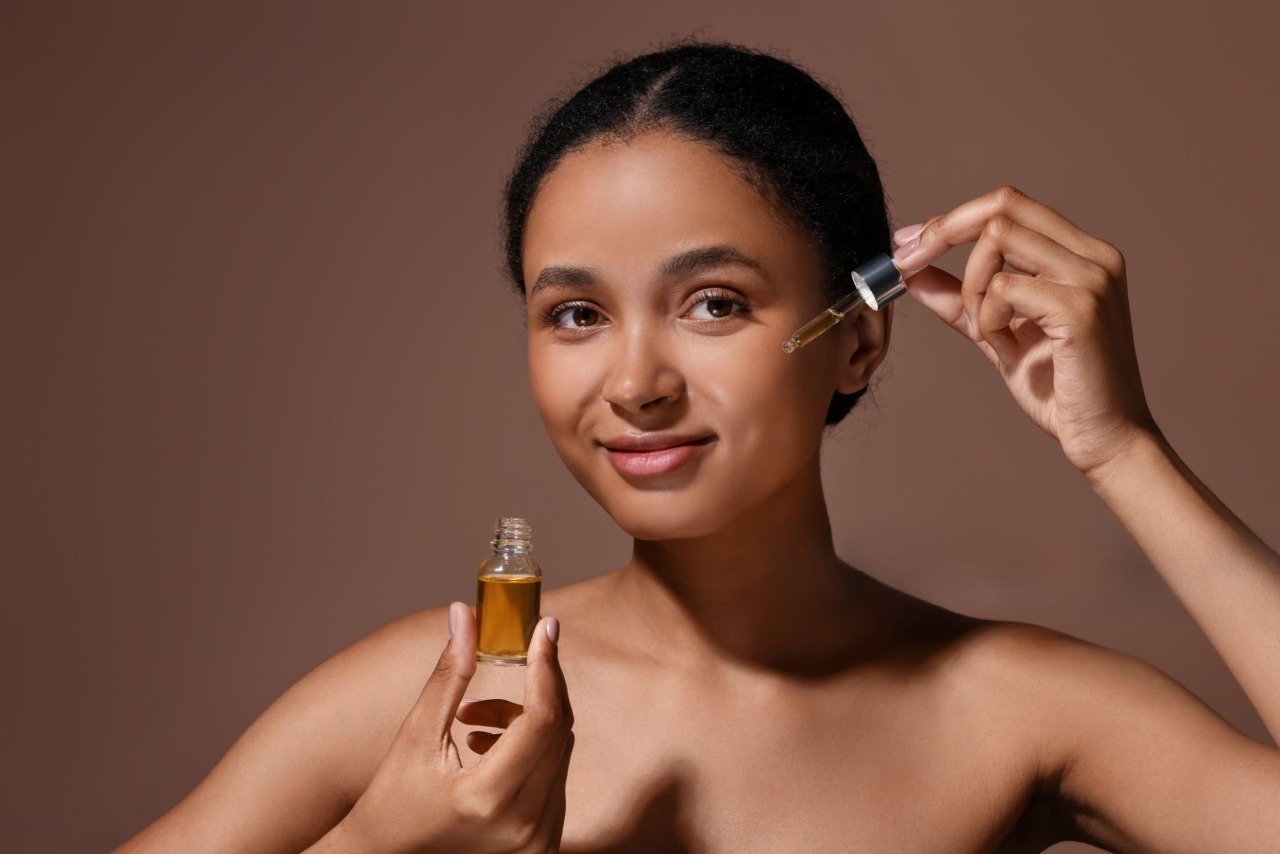
Skincare can feel overwhelming—especially when you’re staring at multiple dropper bottles from The Ordinary and wondering which one goes first. Layering serums incorrectly can reduce their effectiveness, cause irritation, or even cancel out their benefits. The good news? Once you understand the logic behind serum layering, building an effective routine becomes simple.
This guide breaks down how to layer The Ordinary serums correctly, why order matters, and how to customize your routine for your skin concerns—without damaging your skin barrier.
Why Proper Layering Matters in Skincare
Layering isn’t just about applying products one after another. Each serum has a specific molecular weight, pH level, and absorption rate. If heavier or oil-based products are applied too early, they can block lighter, water-based serums from penetrating the skin.
Correct layering helps:
- Improve absorption of active ingredients
- Prevent irritation and breakouts
- Maximize visible results
- Maintain a healthy skin barrier
When using The Ordinary products—known for high concentrations of active ingredients—proper order becomes even more important.
Basic Rule for Layering The Ordinary Serums
Before diving into specific products, remember this golden rule:
Apply from thinnest to thickest texture
This usually means:
- Water-based serums
- Anhydrous (water-free) serums
- Emulsions and creams
- Oils
- Sunscreen (morning only)
This approach allows each layer to absorb properly before the next one seals it in.
Step-by-Step Guide to Layering The Ordinary Serums
Step 1: Cleanser (Always First)
Start with a gentle cleanser that removes dirt, oil, and impurities without stripping your skin. Clean skin ensures that serums can penetrate effectively.
Avoid harsh cleansers when using active ingredients like acids or retinoids.
Step 2: Toner (Optional but Helpful)
Toners aren’t mandatory, but a hydrating or pH-balancing toner can prep the skin and improve serum absorption.
Choose alcohol-free formulas if you’re using strong actives.
Water-Based Serums: Apply These First
Water-based serums are lightweight and designed to penetrate deeply into the skin.
Hyaluronic Acid 2% + B5
This serum hydrates and plumps the skin by drawing moisture into it.
How to use:
- Apply to slightly damp skin
- Use before heavier serums
- Suitable for morning and night
Niacinamide 10% + Zinc 1%
Niacinamide helps regulate oil production, minimize pores, and improve skin texture.
Layering tip:
- Use after hyaluronic acid
- Avoid combining with strong vitamin C formulas in the same routine
This serum works well for oily and acne-prone skin types.
Alpha Arbutin 2% + HA
Designed to target hyperpigmentation and dark spots, alpha arbutin should be layered early.
Best practice:
- Apply before heavier treatments
- Pair with sunscreen during the day for best results
Anhydrous (Water-Free) Serums: Use After Water-Based Ones
These serums contain active ingredients without water and usually feel slightly heavier.
Vitamin C Suspension or Ascorbyl Derivatives
The Ordinary offers multiple vitamin C formulas, some water-free and some silicone-based.
Important tips:
- Use at night if your skin is sensitive
- Expect mild tingling initially
- Do not combine with niacinamide in the same routine
Vitamin C helps brighten skin and improve uneven tone when layered correctly.
Retinol or Granactive Retinoid
Retinoids stimulate cell turnover and improve fine lines, acne, and texture.
How to layer:
- Apply after water-based serums
- Use only at night
- Avoid combining with exfoliating acids
Always start slowly—2 to 3 times a week—and increase frequency as your skin builds tolerance.
Exfoliating Acids: Use With Caution
Glycolic Acid, Lactic Acid, or Mandelic Acid
Chemical exfoliants remove dead skin cells and improve skin clarity.
Key rules:
- Use at night only
- Apply directly after cleansing
- Do not layer with retinol or vitamin C
Overusing acids can compromise your skin barrier, so limit usage to a few times per week.
Emulsions and Cream-Based Treatments
Azelaic Acid Suspension 10%
Azelaic acid helps with redness, acne, and uneven tone.
Where it fits:
- After serums
- Before oils and moisturizers
Because of its cream-like texture, it should be applied later in your routine.
Face Oils: Seal Everything In
Rose Hip Seed Oil or Similar Oils
Oils act as occlusives, locking in moisture and preventing water loss.
Best usage:
- Apply as the final step at night
- Use sparingly to avoid clogged pores
Never apply oils before water-based serums, as they block absorption.
Moisturizer: Morning and Night Essential
A good moisturizer seals all previous layers and supports skin barrier repair.
Choose a formula suited to your skin type:
- Lightweight gel for oily skin
- Cream-based for dry or sensitive skin
Sunscreen: Morning Routine Must-Have
Sunscreen should always be the final step in your morning routine.
Active ingredients like retinol, acids, and vitamin C make skin more sensitive to UV damage. Without sunscreen, results will be limited—and damage may worsen.
Sample Layering Routines Using The Ordinary
Morning Routine (Simple & Effective)
- Cleanser
- Hyaluronic Acid
- Niacinamide
- Moisturizer
- Sunscreen
Night Routine (Treatment-Focused)
Option 1: Retinol Night
- Cleanser
- Hyaluronic Acid
- Retinol or Granactive Retinoid
- Moisturizer
- Face Oil (optional)
Option 2: Exfoliation Night
- Cleanser
- Glycolic or Lactic Acid
- Hydrating Serum
- Moisturizer
Final Thoughts
Layering The Ordinary serums correctly isn’t complicated once you understand the structure behind it. By applying products from lightest to heaviest, respecting ingredient compatibility, and giving your skin time to adjust, you can achieve noticeable results without irritation.
Remember, skincare is personal. What works for one person may not work for another. Start slow, observe how your skin reacts, and adjust accordingly. With the right layering approach, The Ordinary serums can deliver powerful, visible improvements over time.


