


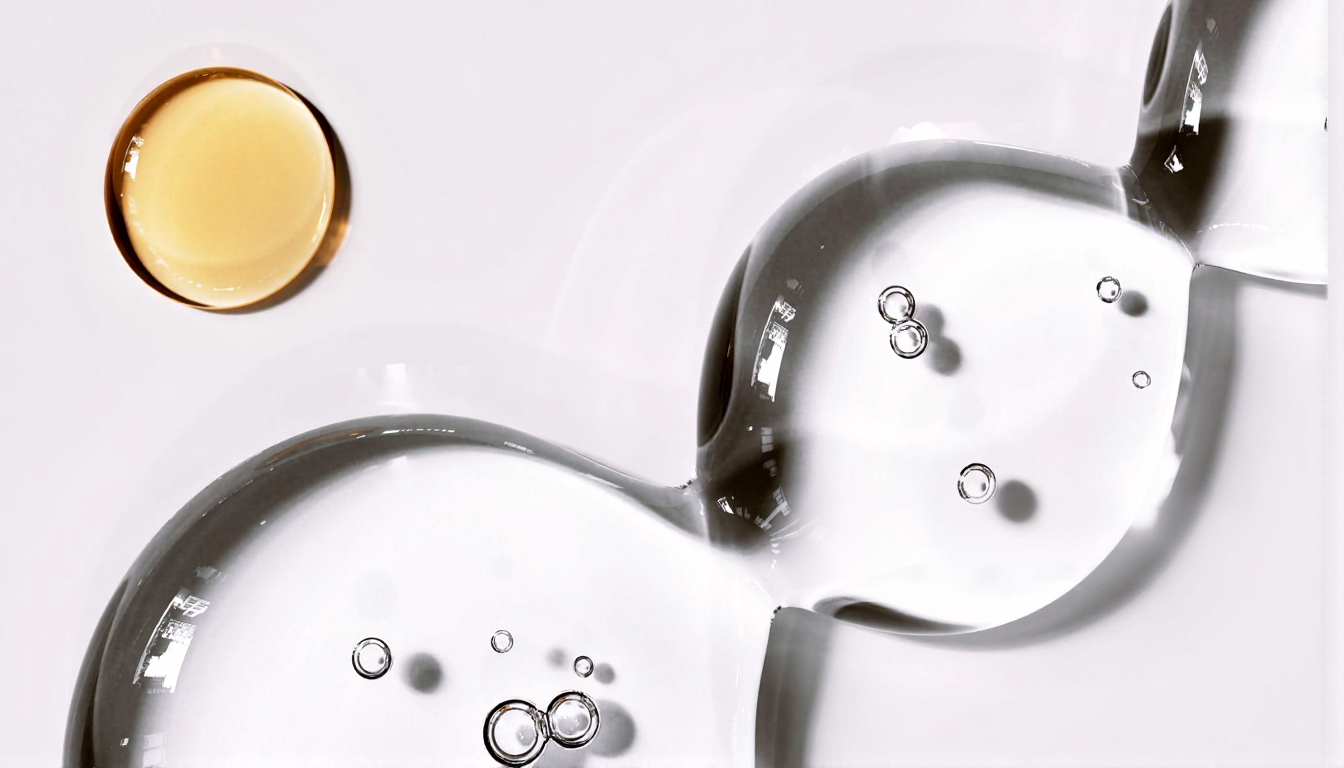
Skincare has evolved far beyond single-product routines. Today, effective skin health depends on strategic layering, where each product plays a specific role. Among the most powerful combinations is the pairing of targeted serums with facial oils. When used correctly, this duo can significantly enhance hydration, treatment efficacy, and long-term skin resilience.
Rather than competing, serums and oils complement each other at a biological level. Understanding why and how they work together allows you to maximize results without overloading your skin. This guide explains the science, benefits, and best practices behind combining targeted serums with oils for healthier, more balanced skin.
Understanding the Role of Targeted Serums
Targeted serums are lightweight formulations designed to deliver high concentrations of active ingredients directly into the skin.
What Makes Serums Different from Other Skincare Products?
Serums differ from creams and lotions due to their:
- Smaller molecular structure
- High active ingredient concentration
- Rapid absorption into deeper skin layers
They are designed to treat specific skin concerns rather than providing surface-level hydration.
Common Skin Concerns Addressed by Serums
Targeted serums are formulated to address issues such as:
- Dehydration and moisture loss
- Uneven skin tone and dullness
- Fine lines and early signs of aging
- Acne and congestion
- Sensitivity and redness
Because of their potency, serums form the treatment core of most advanced skincare routines.
The Purpose of Facial Oils in Skincare
Facial oils often get misunderstood, especially by those with oily or acne-prone skin. In reality, oils serve a very different function than serums.
How Facial Oils Work on the Skin
Facial oils primarily:
- Strengthen the skin’s lipid barrier
- Prevent transepidermal water loss (TEWL)
- Soften and smooth the skin’s surface
Unlike serums, oils do not penetrate deeply. Instead, they seal in hydration and active ingredients, making them an ideal companion to water-based treatments.
Types of Facial Oils and Their Benefits
Different oils offer different advantages:
- Lightweight oils help balance oil production
- Nourishing oils support barrier repair
- Antioxidant-rich oils protect against environmental stressors
Choosing the right oil depends on skin type and climate, but when layered correctly, oils enhance rather than hinder absorption.
Why Combining Serums with Oils Works So Well
The effectiveness of combining serums with oils lies in skin physiology and product chemistry.
Serums Treat, Oils Protect
Serums deliver actives like vitamins, peptides, and humectants into the skin. Oils then act as a protective seal, preventing evaporation and maintaining hydration levels.
This pairing allows:
- Deeper penetration of actives
- Longer-lasting hydration
- Reduced irritation from potent ingredients
Improved Skin Barrier Function
A healthy skin barrier is essential for visible results. Oils replenish lipids, while serums provide hydration and repair signals. Together, they help restore balance, especially in compromised or stressed skin.
The Science Behind Layering: Why Order Matters
Correct application order is critical when combining skincare products.
Why Serums Should Always Come First
Serums are typically water-based and designed to penetrate quickly. Applying oil first can block absorption, reducing the serum’s effectiveness.
Correct layering order:
- Cleanser
- Toner or essence (optional)
- Targeted serum
- Facial oil
- Moisturizer (if needed)
How Oils Enhance Serum Performance
Once applied over a serum, oils:
- Lock in moisture
- Slow down water evaporation
- Extend the activity of ingredients
This is especially beneficial in dry climates or during nighttime routines.
Skin Types That Benefit Most from This Combination
Almost every skin type can benefit from combining serums and oils when done correctly.
Dry and Dehydrated Skin
This combination is particularly effective for dry skin because:
- Serums hydrate at a cellular level
- Oils prevent ongoing moisture loss
The result is plumper, more comfortable skin with improved elasticity.
Oily and Acne-Prone Skin
Contrary to popular belief, oily skin also benefits when lightweight oils are used:
- Helps regulate sebum production
- Prevents over-drying from active serums
- Supports skin barrier health
The key is choosing non-comedogenic oils and using minimal amounts.
Sensitive and Compromised Skin
For sensitive skin, oils reduce irritation by buffering strong actives and strengthening the skin barrier, leading to calmer, more resilient skin over time.
When to Use Serums and Oils Together
Timing plays a major role in maximizing benefits.
Morning Routine Benefits
In the morning, pairing serums with oils:
- Helps protect against environmental stress
- Improves makeup application
- Maintains hydration throughout the day
Lightweight oils are ideal for daytime use to avoid heaviness.
Nighttime Repair and Recovery
At night, the skin enters repair mode. Using serums followed by oils:
- Enhances overnight regeneration
- Supports barrier repair
- Locks in treatment ingredients while you sleep
This is when richer oils can be most effective.
Common Mistakes to Avoid When Combining Serums and Oils
Even the best products can fail if used incorrectly.
Using Too Much Product
More does not equal better. Overusing oils can:
- Smother the skin
- Cause congestion
- Reduce absorption efficiency
A few drops are sufficient when layered properly.
Mixing Incompatible Products
Not all serums and oils work well together. Some actives may perform better without occlusive layers immediately on top. Always observe how your skin responds.
Skipping Patch Testing
Combining products increases the chance of reactions. Patch testing ensures compatibility and prevents irritation.
How This Combination Improves Long-Term Skin Health
Beyond immediate glow and softness, consistent use leads to measurable improvements.
Enhanced Skin Resilience
By reinforcing the skin barrier, the serum-oil combination helps skin better withstand:
- Pollution
- Weather changes
- Over-exfoliation
This results in fewer flare-ups and improved texture.
More Consistent Results Over Time
Because oils prolong serum activity, active ingredients work more efficiently. This leads to:
- Gradual improvement in tone and texture
- Reduced appearance of fine lines
- Better moisture retention
Consistency is key, and this pairing supports sustainable results.
Customizing the Combination for Maximum Results
There is no one-size-fits-all approach.
Adjusting Based on Climate
- Dry climates benefit from richer oils
- Humid environments require lighter formulations
Your routine should adapt with the seasons.
Listening to Your Skin
Skin needs change over time. Adjust the type of serum or oil based on:
- Stress levels
- Hormonal changes
- Environmental exposure
Flexibility ensures long-term success.
Final Thoughts
Combining targeted serums with oils is not a trend—it’s a science-backed strategy for achieving healthier skin. Serums address specific concerns at a deeper level, while oils preserve and enhance those results by strengthening the skin barrier.When layered correctly and chosen thoughtfully, this combination delivers visible improvements without overwhelming the skin. Instead of adding more products, using the right products together creates a balanced, effective routine that supports both immediate results and long-term skin health.


